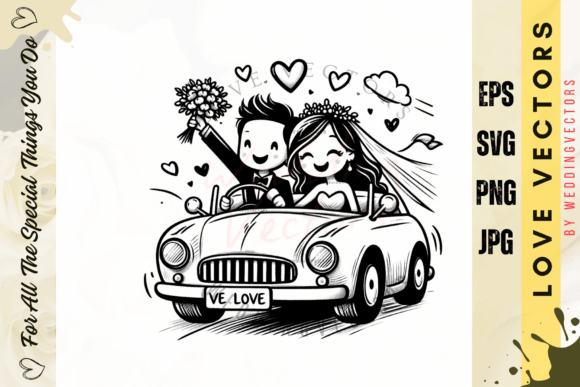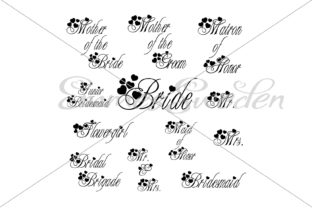
The Wedding, Bridal Party Bundle: Your Complete Design Toolkit
Planning a wedding or helping clients design their special day means juggling a thousand details, and visual consistency often falls through the cracks when you're scrambling between different file formats and design assets. The Wedding, Bridal Party Bundle solves this problem by packaging everything you need into one cohesive download, giving designers, planners, and creative entrepreneurs a reliable foundation for stunning wedding-related projects. Whether you're building invitations, crafting social media announcements, or designing signage for the ceremony, having the right files in the right formats saves hours of frustration and ensures every piece looks polished and professional.
What's Inside the Bundle and Why It Matters
This download includes one .png, one .pdf, one .svg, one .dxf, and one .jpg file, covering the most commonly needed formats across digital and physical design workflows. Each format serves a distinct purpose, and understanding how to use them effectively can transform the way you approach wedding design projects.
The PNG file works beautifully for digital applications where you need a transparent background. Drop it onto social media graphics, layer it over photos, or use it in website headers without worrying about awkward white boxes surrounding your design elements. For anyone creating Instagram posts, Pinterest pins, or Facebook event banners, the PNG format is practically essential.
The PDF file is your go-to for print-ready work. Professional printers prefer PDFs because they preserve layout, fonts, and color profiles reliably. When you're sending designs to a print shop for invitations, programs, menus, or signage, a PDF ensures what you see on screen matches what comes off the press. This format also works well for digital products you might sell, like downloadable templates or printable wall art.
The SVG file is a game-changer for crafters and designers who work with cutting machines like Cricut or Silhouette. Because SVGs are vector-based, they scale infinitely without losing quality, making them perfect for vinyl decals, heat transfers, and detailed cut projects. If you're creating custom cake toppers, table numbers, or personalized favors, this format gives you the flexibility to resize without pixelation.
The DXF file serves a similar purpose for cutting machines but is particularly useful for those working with Silhouette Studio's basic edition, which doesn't natively support SVG imports. Including both formats means the bundle works seamlessly across different hardware and software setups, so you're never stuck converting files or troubleshooting compatibility issues.
Finally, the JPG file offers a universally compatible option for quick sharing, email attachments, and situations where file size matters. While JPGs don't support transparency, they're lightweight and open on virtually any device or platform, making them ideal for previewing designs or sharing mockups with clients who may not have professional design software.
Practical Applications Across Wedding Projects
The versatility of this bundle extends far beyond a single use case. Think about the sheer number of visual touchpoints in a wedding: save-the-dates, invitations, RSVP cards, ceremony programs, welcome signs, table numbers, menu cards, favor tags, thank-you cards, and photo booth props. Each of these items requires consistent branding, and having a unified set of design assets makes maintaining that cohesion far more manageable.
For small business owners who run invitation studios or event planning services, this bundle becomes a reusable asset in your design library. Instead of starting from scratch for each client, you can adapt and customize these files to match different color schemes and themes while keeping the core design structure intact. This approach speeds up your workflow and helps you deliver consistent quality across multiple projects.
Content creators and bloggers covering wedding topics will find the bundle equally useful for editorial layouts and social media graphics. A cohesive visual style across your blog posts, Pinterest boards, and Instagram feed strengthens your brand identity and makes your content instantly recognizable. When followers see your signature aesthetic, they're more likely to engage, save, and share your posts.
For those building digital products, such as printable wedding planners, template kits, or design resources for other creators, having properly formatted files is non-negotiable. Customers expect downloads that work immediately in their preferred software, and offering multiple formats demonstrates professionalism and attention to detail.
Matching Design Assets to Your Brand Identity
Choosing the right visual elements for a wedding project goes beyond picking something that looks pretty. The design style should reflect the couple's personality, the event's formality, and the overall aesthetic they've chosen. A rustic barn wedding calls for different typography and imagery than a sleek city loft celebration, and your design assets should align with that vision.
When working with clients, start by asking about their color palette, venue style, and the mood they want to create. These details guide your selection process and help you customize the bundle elements to feel personal rather than generic. Swapping out colors in the SVG or adjusting the layout in the PDF can transform a standard template into something that feels tailor-made.
Font pairing plays a crucial role here as well. If the bundle includes script or handwritten elements, consider pairing them with a clean sans-serif font for body text to maintain readability. Display fonts work wonderfully for headlines and names, but they become difficult to read in longer passages. Striking this balance between decorative appeal and practical legibility separates amateur designs from professional-quality work.
Tips for Getting the Most from Your Files
Before diving into a project, take a few minutes to review each file format and confirm it opens correctly in your design software. Programs like Adobe Illustrator, Canva, Cricut Design Space, and Inkscape each handle files differently, and catching any compatibility issues early prevents headaches later in the process.
Test your designs at actual size before committing to a final print run. A design that looks balanced on a laptop screen might feel cramped on a 5x7 invitation or overwhelming on a large welcome sign. Print a proof, hold it at arm's length, and evaluate whether the text is readable and the layout feels balanced.
Pay attention to commercial licensing if you plan to sell products featuring these design assets. Understanding the terms of use protects your business and ensures you're operating within the creator's guidelines. Most bundles intended for commercial use clearly state their licensing terms, but when in doubt, reach out to the creator for clarification.
Keep your files organized in a dedicated folder structure so you can quickly locate the right format when a project arises. Labeling files by type and project purpose saves time and reduces the chance of accidentally using the wrong version. A little organizational effort upfront pays dividends when you're juggling multiple deadlines.
Building a Cohesive Visual Experience
Weddings are inherently visual events, and every printed or digital touchpoint contributes to the overall experience guests have from the moment they receive their save-the-date to the thank-you card that arrives weeks after the celebration. Using a unified set of design assets ensures that journey feels intentional and polished.
The Wedding, Bridal Party Bundle gives you a practical starting point that works across formats, devices, and project types. Whether you're a designer building a client's dream invitation suite, a crafter personalizing favors with a cutting machine, or a blogger creating cohesive content around wedding season, having reliable, multi-format files at your fingertips makes the creative process smoother and the results more professional.
The real value lies not just in the files themselves but in how they streamline your workflow, reduce technical barriers, and free you to focus on the creative decisions that make each project unique. When the technical groundwork is handled, you can pour your energy into the details that truly matter: the color choices, the layout refinements, and the personal touches that turn a template into something memorable.