Elegance Embodied: The Cultural Significance of Indian Wedding Attire
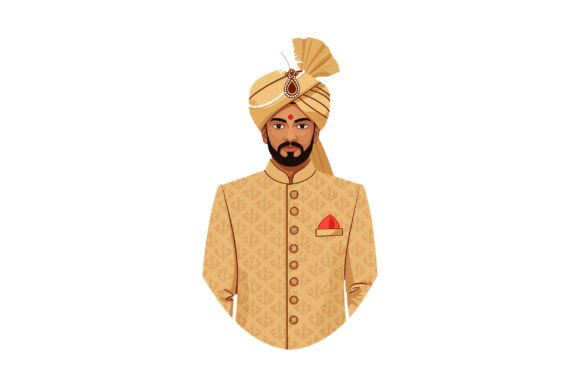
There is a distinct aura of majesty that surrounds an Indian groom, particularly when he is adorned in his traditional wedding attire. It is more than just clothing; it is a visual narrative of heritage, honor, and celebration. The heavy silk of the sherwani, the intricate gold embroidery of the zari work, and the vibrant, imposing presence of the pagri (turban) come together to create a silhouette that commands respect and admiration. For designers and creatives, capturing this specific blend of cultural richness and formal elegance presents a unique opportunity to infuse projects with depth, color, and storytelling.
The visual appeal of this attire lies in its structured grandeur. Unlike the flowing lines of many Western formal suits, the Indian Groom Traditional Wedding Attire is characterized by sharp, regal lines and a rich texture that photographs beautifully. The color palette is often bold—think deep maroons, royal blues, and ivory whites—accented with metallic golds and silvers. This combination creates a high-contrast aesthetic that is immediately eye-catching. When utilized in design assets, such as high-quality illustrations or vector files, these elements provide a sophisticated focal point that can anchor an entire visual composition.
The Power of Cultural Motifs in Modern Branding
In a globalized market, brands are constantly seeking ways to stand out with authenticity. Incorporating traditional Indian aesthetics into your design assets is not just about adding decorative flair; it is about connecting with a rich history of craftsmanship. For businesses in the fashion, wedding planning, or luxury goods sectors, using imagery that reflects the Indian Groom Traditional Wedding Attire can instantly communicate premium quality and attention to detail.
Consider the practical applications for these design elements. A graphic designer working on a wedding invitation suite can use a detailed illustration of a groom in a sherwani to set a formal, traditional tone. A lifestyle blogger focusing on South Asian culture can use these assets to create engaging headers or social media graphics that resonate with their audience. The versatility of these motifs allows them to be adapted across various mediums, from digital interfaces to physical print materials.
Furthermore, the symbolic nature of the attire adds layers of meaning to your projects. The turban, for instance, signifies honor and distinction. Using such symbols thoughtfully can elevate a brand’s story, making it more relatable and emotionally resonant for the target audience. It moves a design from being merely "pretty" to being meaningful and culturally aware.
Practical Applications: From Screen to Print
The utility of a high-quality illustration depicting traditional wedding attire extends far beyond a single use case. For content creators and marketers, these assets are invaluable. Imagine a small business owner launching a new line of ethnic jewelry; a backdrop featuring the intricate patterns of a sherwani can provide the perfect context for product photography or digital mockups. Similarly, a marketing agency could use these visuals in presentations to pitch culturally specific campaigns to clients in the luxury or event management sectors.
Here are several ways you can integrate these design assets into your workflow:
- Brand Identity & Logo Design: Use stylized elements of the turban or the collar of the achkan as a monogram or icon for luxury brands, bespoke tailors, or event management companies.
- Packaging Design: For high-end products like perfumes, sweets, or grooming kits, incorporating the textures and patterns of wedding attire can suggest a product that is fit for royalty.
- Social Media Graphics: Create cohesive Instagram grids or Pinterest boards that celebrate cultural heritage. The bold colors and distinct shapes perform exceptionally well on visual platforms.
- Editorial Layouts: Magazines and blogs covering weddings, culture, or men’s fashion can use these illustrations to break up text and add visual interest to feature articles.
- Merchandise: From tote bags to greeting cards, the aesthetic of traditional wedding attire translates well onto physical products that celebrate Indian culture.
When sourcing these assets, look for downloadable ZIP files that include a variety of formats such as SVG, EPS, JPG, and PNG. This ensures maximum flexibility. An SVG or EPS file is crucial for scalability—you can enlarge the image for a large format poster or a trade show banner without losing resolution. JPGs and PNGs are perfect for web use and quick social media posts, with PNGs offering the advantage of transparent backgrounds for layering over other images.
Enhancing Visual Consistency and Professionalism
One of the primary challenges in design is maintaining visual consistency across different platforms. When you have a cohesive set of assets—like a well-drawn illustration of Indian Groom Traditional Wedding Attire—you create a unified visual language. This is particularly important for brand recognition. If a customer sees the same style of illustration on your website, your business card, and your Instagram feed, they begin to associate that visual style with your brand’s identity.
Professional presentation is another key benefit. Amateurish or generic clip art can undermine the credibility of a business. High-quality, culturally accurate illustrations, however, signal that a brand values quality and respects the culture it represents. This attention to detail can build trust with your audience, which is a critical component of successful marketing.
For those working in web design, integrating these illustrations can significantly improve user engagement. A hero image featuring a groom in traditional attire can set the mood for a wedding planning website instantly. It provides context and draws the user into the experience. The "calm mood" often associated with formal, traditional aesthetics can also help create a sense of order and elegance on a webpage, making the content more pleasant to browse.
Tips for Integrating Traditional Aesthetics
Integrating such specific cultural imagery requires a thoughtful approach. Here are some practical considerations for designers and entrepreneurs:
- Context is Key: Ensure the imagery aligns with the project's goals. A illustration of a groom in a sherwani is perfect for a wedding blog or a luxury menswear brand, but might feel out of place on a tech startup's landing page unless there is a specific thematic connection.
- Color Harmony: Traditional Indian wedding colors are rich and saturated. When using these illustrations, build your color palette around them. Pull accent colors from the embroidery or the turban to create a harmonious design.
- Typography Pairing: The formality of the attire pairs well with elegant, serif typefaces for a classic look. For a more modern twist, a clean sans-serif font can provide a beautiful contrast, allowing the illustration to stand out as the primary decorative element.
- Scale and Composition: Don’t be afraid to use the illustration as a dominant element. The details in the embroidery and the structure of the outfit deserve to be seen. Use them as a focal point in your layout.
By treating these design assets not just as pictures but as storytelling tools, you can create projects that are visually stunning and emotionally engaging. The elegance of the Indian Groom Traditional Wedding Attire offers a timeless aesthetic that can elevate any creative project, bridging the gap between tradition and modern design sensibilities.